Communal Area Cleaning: Creating Safer, Healthier Shared Spaces
Communal area cleaning plays a vital role in maintaining clean, welcoming, and functional shared environments. Whether it is an apartment block, office building, residential complex, student accommodation, or mixed-use property, the quality of communal area cleaning directly affects how people feel about the space they use every day. Clean hallways, sanitized touchpoints, tidy lobbies, and spotless stairwells not only improve appearance but also support hygiene, safety, and long-term property value.
In many buildings, communal area cleaning is the first thing people notice when they walk in. A fresh entrance, polished floors, and dust-free surfaces create an immediate sense of care and professionalism. On the other hand, neglected shared spaces can quickly lead to complaints, unpleasant odors, pest issues, and even accidents. That is why consistent communal area cleaning is not a luxury—it is an essential part of property maintenance.
From everyday tidying to scheduled deep cleaning, shared areas need a structured approach. Different spaces require different methods, and the cleaning routine should be tailored to the number of occupants, the type of traffic, and the specific risks present in each building. With the right plan, communal area cleaning can protect residents, visitors, tenants, and staff while keeping the property looking its best.
What Communal Area Cleaning Includes
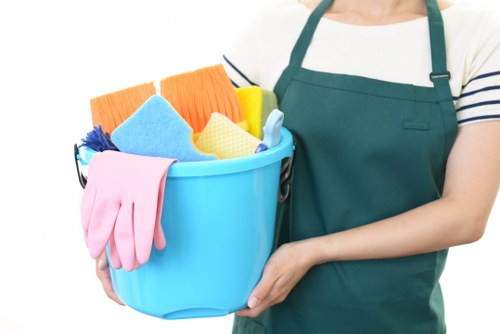
Communal area cleaning refers to the cleaning and upkeep of shared spaces used by multiple people. These areas may include entrances, corridors, staircases, elevators, reception zones, mailrooms, lobbies, break areas, shared kitchens, laundry rooms, and restrooms. In residential and commercial settings alike, these spaces experience frequent use, which makes them more prone to dirt, spills, smudges, and bacteria buildup.
The exact scope of communal area cleaning depends on the property. In a small residential block, it may focus on sweeping, mopping, dusting, and waste removal. In larger buildings, it can involve sanitizing high-touch surfaces, managing recycling areas, cleaning windows, polishing fixtures, and maintaining shared amenities. The broader the facility, the more important it becomes to apply a reliable and repeatable cleaning schedule.
Effective communal area cleaning is about more than just making things look neat. It includes hygiene control, odor prevention, slip-risk reduction, and preserving the condition of fixtures and finishes. When these tasks are carried out regularly, the building remains comfortable and presentable for everyone who uses it.
Common spaces that require regular attention
Shared properties often have several zones that need different cleaning methods and frequencies. Common examples include:
- Entrance halls and lobbies
- Stairwells and landings
- Elevators and lift buttons
- Shared kitchens and pantry areas
- Corridors and walkways
- Restrooms and washrooms
- Reception and waiting areas
- Bin stores and waste rooms
Why Communal Area Cleaning Matters
There are several reasons why communal area cleaning matters so much. First, shared spaces are used by many people throughout the day, which means dirt and germs accumulate quickly. Second, these spaces influence the overall impression of the building. Third, clean communal areas contribute to safety and reduce maintenance issues over time.
In residential settings, residents expect a clean environment in places they cannot individually control. If stairwells are dusty or entrances are cluttered, it can affect satisfaction and trust. In commercial and office environments, communal area cleaning reflects the organization’s standards. Clients, employees, and visitors often judge the business before they even reach the main workspace.
Another important factor is health. Shared touchpoints such as door handles, elevator buttons, handrails, light switches, and mailboxes can harbor bacteria and viruses. Routine communal area cleaning helps reduce the spread of illness by removing contaminants and sanitizing commonly touched surfaces. This is especially valuable during flu season or in buildings with high occupancy.
Benefits of a clean communal environment
Well-maintained communal areas can deliver a wide range of benefits:
- Improved hygiene and reduced contamination
- Better first impressions for guests and tenants
- Lower risk of slips, trips, and falls
- Reduced odors and pest attraction
- Longer life for flooring, paintwork, and fixtures
- Higher satisfaction among residents and users
Key Tasks in Communal Area Cleaning
High-quality communal area cleaning usually includes a mix of visible cleaning tasks and behind-the-scenes maintenance activities. A good service should address both aesthetics and hygiene. The most effective routines are designed around frequency, traffic volume, and the material finishes in each area.
Typical tasks include sweeping and vacuuming floors, mopping hard surfaces, wiping down bannisters, sanitizing touchpoints, cleaning glass doors, emptying bins, removing debris, and checking for stains or spillages. Depending on the building, the service may also include polishing metal fixtures, spot-cleaning walls, and cleaning shared appliances.
For properties with extensive use, communal area cleaning may also involve deeper work such as machine scrubbing, carpet shampooing, tile and grout cleaning, and periodic disinfection. These tasks help keep hidden dirt from building up and support long-term cleanliness. Consistency is key, because even a highly effective one-off clean will not prevent future buildup without a maintenance plan.
Routine cleaning tasks
- Dusting ledges, skirting boards, and railings
- Vacuuming carpets and runners
- Mopping hard floors
- Removing fingerprints from glass and mirrors
- Cleaning entrance mats
- Emptying communal bins and replacing liners
- Wiping shared surfaces and switches
Deep cleaning tasks
- Machine scrubbing floors
- Cleaning behind furniture or fixtures
- Sanitizing kitchens and washrooms
- Removing built-up grime from corners and edges
- Descaling sinks and taps
- Restoring high-traffic surfaces
Communal Area Cleaning in Residential Buildings
Residential properties depend heavily on reliable communal area cleaning because these spaces are used daily by tenants, guests, contractors, and management staff. A residential entrance or hallway can quickly become untidy from foot traffic, wet shoes, parcels, pet activity, and waste disposal. Without regular attention, these shared spaces can feel neglected even if individual apartments are well maintained.
In apartment blocks and housing complexes, the most visible spaces often include front entrances, staircases, lift areas, and corridors. These are the places where residents form opinions about the building’s upkeep. Strong communal area cleaning standards help reinforce a sense of pride, safety, and community. Clean common areas also support lease value and may help reduce complaints from residents.
It is also important to consider seasonal changes. Rain, mud, snow, and road salt can all be tracked into buildings, making floor care and mat maintenance especially important. During wetter months, communal area cleaning may need extra attention to prevent slippery surfaces and staining. Regular inspections help identify issues before they become costly repairs.
Residential areas that need special attention
- Entrance mats and lobby flooring
- Shared staircases and handrails
- Post areas and parcel shelves
- Lift doors and control panels
- Bin stores and refuse collection points
- Shared laundry rooms
Helpful scheduling tip
For residential sites, frequent light cleaning combined with periodic deep cleaning usually works best. This balance keeps the building looking neat every day while addressing accumulated grime on a monthly or quarterly basis.
Communal Area Cleaning in Commercial and Office Spaces
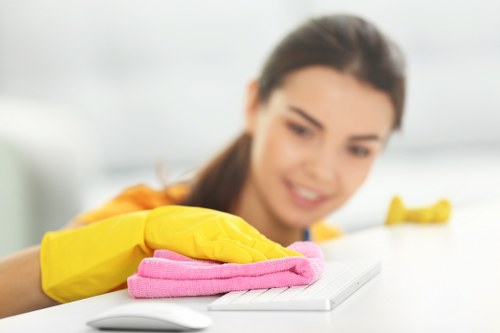
Commercial properties have different requirements, but the importance of communal area cleaning remains the same. Office receptions, corridors, kitchens, canteens, meeting lounge areas, and restrooms are shared by employees and visitors throughout the day. These areas must be both presentable and hygienic to support productivity and professionalism.
In office buildings, communal area cleaning contributes to staff wellbeing. Clean kitchens and break rooms reduce unpleasant odors and discourage pest activity. Sanitized washrooms support comfort and minimize germ spread. Organized reception areas help create a polished atmosphere that aligns with brand values. For businesses that host clients or customers, the condition of the shared areas can influence trust and confidence.
High-traffic commercial sites often require cleaning outside standard business hours to avoid disruption. This may include early morning or evening cleaning schedules. In larger facilities, a combination of daily maintenance and scheduled deep cleaning ensures shared environments remain fresh throughout the week. The best approach is practical, discreet, and suited to the building’s activity patterns.
Commercial cleaning priorities
- Sanitize touchpoints regularly
- Keep floors free from debris and spills
- Maintain clean washrooms and kitchens
- Manage waste and recycling properly
- Preserve the appearance of reception and waiting zones
- Use suitable products for different materials
Best Practices for Effective Communal Area Cleaning
Successful communal area cleaning depends on planning, consistency, and attention to detail. A building may look clean after a quick sweep, but a true maintenance system goes further. It should address cleaning frequency, task prioritization, product selection, and safety procedures. Buildings that follow a structured cleaning plan usually enjoy better results and fewer problems.
One of the best practices is to define clear responsibilities. This includes deciding which tasks are performed daily, weekly, and monthly. Regular monitoring also helps ensure standards remain high. For example, a busy entrance may need more frequent floor care than a quiet landing, while shared kitchen areas may require sanitizing multiple times per day. A flexible system keeps the cleaning approach realistic and effective.
Another important practice is using the right products and equipment. Not all surfaces should be cleaned the same way. Hard flooring, carpets, stainless steel, glass, and painted walls all need suitable treatment. Using the wrong cleaner can damage materials or leave residue behind. Professional communal area cleaning should always balance effectiveness with surface safety.
Practical best practices
- Create a cleaning schedule based on traffic and use
- Check high-touch areas more often
- Use color-coded equipment where appropriate
- Train staff on safe chemical handling
- Inspect areas after cleaning for missed spots
- Record recurring issues for faster resolution
Building managers should also encourage communication. If residents or employees notice recurring issues such as overflowing bins, sticky floors, or damaged fixtures, these should be addressed quickly. Prompt responses help maintain confidence in the cleaning system and prevent small issues from becoming larger concerns.
Safety, Hygiene, and Compliance in Communal Area Cleaning
Safety is a major part of communal area cleaning. Shared spaces can present several hazards, from wet floors to cluttered walkways. Cleaning teams must take care to minimize disruption and reduce risk while carrying out their work. Warning signs, proper equipment, and clear procedures all play a role in protecting building users.
Hygiene is equally important. In communal environments, germs can spread rapidly if high-touch surfaces are ignored. That is why sanitization should be part of the routine, not an afterthought. Regular communal area cleaning can help reduce cross-contamination, especially in restrooms, kitchens, reception desks, and lift controls. Cleaners should pay close attention to these areas, particularly in busy buildings.
Compliance may also be relevant depending on the property type. Some environments have specific standards for waste disposal, chemical usage, ventilation, or infection control. A professional cleaning approach should respect these requirements and adapt to site-specific needs. This helps the building remain safe, functional, and in line with expectations.
Important safety measures
- Place wet-floor signs in visible areas
- Keep cleaning products securely stored
- Ventilate rooms during and after cleaning when needed
- Use non-slip methods for entrance and corridor floors
- Separate cleaning tools for washrooms and food areas
- Inspect for hazards such as loose mats or broken fixtures
How Communal Area Cleaning Supports Property Value
Clean shared spaces do more than improve daily comfort—they can also protect property value. A well-maintained building tends to feel more desirable, better managed, and more trustworthy. Buyers, tenants, and visitors all notice cleanliness, even if they do not consciously analyze it. Strong communal area cleaning creates a positive impression that supports long-term appeal.
Regular care also helps protect surfaces and finishes. Dirt and moisture can damage flooring, stain grout, dull fixtures, and accelerate wear. By keeping communal areas clean, owners can extend the life of carpets, tiles, paintwork, and metal fittings. This reduces the need for costly repairs and replacements, making cleaning an investment rather than just an expense.
Well-executed communal area cleaning can also reduce issues that lead to complaints or disputes. For example, a consistent waste management routine may prevent unpleasant odors, while regular stairwell cleaning can reduce slip risks. In this way, cleaning contributes not only to appearance but also to smoother property operations.
Long-term value advantages
- Preserves flooring and fixture condition
- Supports tenant retention and satisfaction
- Reduces maintenance and repair costs
- Enhances overall presentation
- Improves building reputation
Choosing the Right Communal Area Cleaning Approach
There is no single formula for every property. The right communal area cleaning approach depends on building size, occupancy, usage patterns, and available resources. A small residential building may only need a few weekly visits, while a large commercial site may require daily support and specialist cleaning on a rotating basis. Matching the service level to the environment is essential for good results.
When designing a cleaning plan, it helps to assess traffic patterns, seasonal conditions, and hygiene priorities. High-use areas such as lifts and entrances typically need more frequent attention than low-traffic corners. Shared kitchens and washrooms usually demand enhanced sanitizing routines. This kind of tailored plan ensures that resources are used efficiently and the most important areas receive proper care.
Professional cleaners often bring experience, equipment, and systems that help improve consistency. They can recommend suitable schedules, products, and methods for different surfaces and spaces. For property managers who want dependable results, outsourcing communal area cleaning can be a practical and cost-effective solution.
What to look for in a cleaning service
- Experience with shared residential or commercial spaces
- Flexible cleaning schedules
- Attention to hygiene and safety
- Transparent task lists and service scope
- Ability to handle routine and deep cleaning
- Professional equipment and trained staff
Seasonal and High-Traffic Cleaning Challenges
Communal area cleaning often becomes more demanding during certain times of the year. Wet weather, holidays, building events, and increased occupancy can all create extra work. In winter, for example, mud, rainwater, and salt may be brought into entrances and corridors. In summer, dust and increased foot traffic may require more frequent sweeping and sanitizing.
High-traffic buildings also face ongoing challenges such as fingerprints on glass, marks on walls, and overflow in waste areas. These issues can appear quickly and may be noticeable between standard visits. A strong communal area cleaning plan should anticipate these pressure points and respond proactively. Frequent checks in peak-use zones can prevent visible decline.
In buildings with shared amenities, special events can also create temporary spikes in cleaning requirements. Meeting rooms, lounges, and common kitchens may need an extra clean after gatherings. By adjusting the schedule when demand rises, managers can keep shared spaces looking cared for and reduce the burden on day-to-day maintenance.
Seasonal adjustments worth considering
- Increase entrance cleaning during rainy months
- Use stronger mat maintenance in winter
- Check ventilation and odor control in warm weather
- Schedule extra waste removal during busy periods
- Review cleaning frequencies after occupancy changes
Communal Area Cleaning and Occupant Wellbeing
Clean shared spaces have a direct impact on how people feel in a building. A tidy hallway or fresh-smelling lobby can reduce stress and create a more welcoming atmosphere. People are naturally more comfortable in environments that look cared for. This is especially important in places where residents, employees, or visitors spend a lot of time moving through communal spaces.
Good communal area cleaning also supports mental wellbeing by reducing visual clutter and signs of neglect. Clean floors, organized waste areas, and polished surfaces contribute to a sense of order. This can improve day-to-day experiences and help the building feel safe and respected. In shared environments, those details matter more than many people realize.
For businesses, schools, healthcare-adjacent facilities, and residential blocks, consistent cleanliness sends a strong message: the environment is valued, and the people using it matter. That message can shape behavior too, encouraging occupants to treat the space with more care.
How cleanliness affects daily experience
- Creates a calmer, more organized atmosphere
- Reduces concern about hygiene
- Improves comfort for visitors and occupants
- Encourages respect for shared facilities
- Supports a stronger sense of community
Ready to improve your shared spaces? Contact us today to discuss a dependable approach to communal area cleaning that fits your property’s needs. Book your service now and keep every shared area looking fresh, safe, and well maintained.
Final Thoughts on Communal Area Cleaning
Communal area cleaning is one of the most important parts of property maintenance because it affects health, safety, appearance, and value all at once. Shared spaces are used constantly, which means they need a structured and reliable cleaning plan to stay in good condition. From entrances and stairwells to kitchens and washrooms, every communal area benefits from consistent care.
When cleaning is carried out properly, the result is more than a tidy building. It is a cleaner, safer, more welcoming environment that supports the people who live, work, and visit there. With the right schedule, the right equipment, and the right attention to detail, communal area cleaning becomes a powerful part of building management and a simple way to improve everyday experiences.
If you want better standards in your shared environment, make communal area cleaning a priority. A cleaner building is easier to enjoy, easier to maintain, and better positioned for the long term.