Domestic Cleaning in Modern Homes: Practical Tips, Benefits, and Smart Strategies
Domestic cleaning is one of those essential household tasks that shapes the comfort, hygiene, and appearance of every home. Whether you live in a compact apartment, a busy family house, or a shared property, keeping your space clean affects everything from health and productivity to mood and first impressions. In today’s fast-paced lifestyle, domestic cleaning is no longer just about dusting and vacuuming; it is about creating a healthier environment, maintaining surfaces properly, and using efficient methods that save time without compromising results.
Many people search for reliable ways to improve home cleaning routines, reduce allergens, and keep clutter under control. That is why domestic cleaning remains a highly relevant topic for homeowners, tenants, landlords, and anyone who wants a more organized living environment. The good news is that effective cleaning does not have to be overwhelming. With the right approach, tools, and habits, you can keep your living space fresh, hygienic, and welcoming throughout the year.
In this article, we will explore the most important aspects of domestic cleaning, including daily habits, deep cleaning, room-by-room strategies, eco-friendly choices, and practical ways to stay consistent. If you want a cleaner home and better long-term results, this content will help you understand what works, why it matters, and how to make domestic cleaning more manageable.
What Domestic Cleaning Really Involves
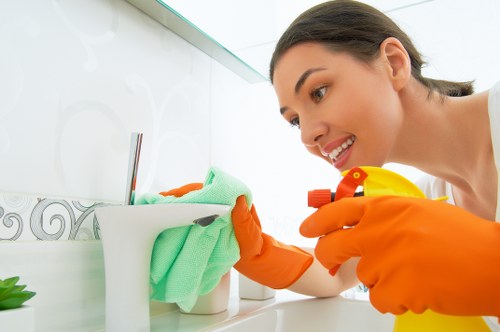
Domestic cleaning refers to the regular and occasional cleaning tasks performed inside a home to keep it tidy, sanitary, and pleasant to live in. It includes everything from sweeping floors and wiping kitchen counters to disinfecting bathrooms and organizing living spaces. While some tasks are daily, others are weekly or monthly, and the exact routine often depends on household size, lifestyle, and the level of foot traffic in the home.
At its core, domestic cleaning is about more than surface appearance. A clean home reduces dust buildup, discourages pests, supports better indoor air quality, and helps protect furniture, appliances, and fixtures from premature wear. When cleaning becomes part of a routine instead of a last-minute chore, the home stays easier to manage and less stressful to maintain.
It also helps to understand that domestic cleaning is not one-size-fits-all. Families with children may need frequent sanitizing of high-touch areas, while pet owners often require extra attention to hair, odors, and flooring. Busy professionals may focus on efficient cleaning methods that deliver strong results in less time. In each case, the goal is the same: a healthier, more comfortable home.
Why Domestic Cleaning Matters for Every Household
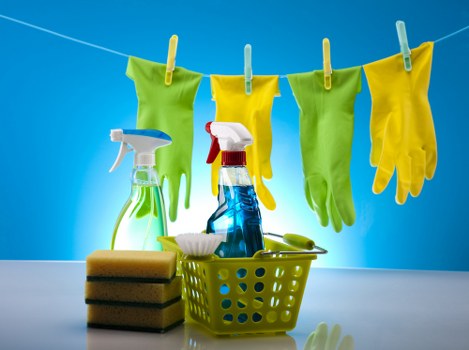
Regular domestic cleaning plays a major role in maintaining both physical health and mental wellbeing. A clean environment can reduce exposure to dust mites, mold, bacteria, and allergens. This is especially important for people with asthma, allergies, or respiratory sensitivities. Bathrooms, kitchens, carpets, and upholstery can all harbor hidden grime if they are not cleaned properly and consistently.
There is also a strong psychological benefit. Cluttered or dirty surroundings often create a sense of chaos, making it harder to relax and focus. By contrast, a tidy home can feel more peaceful and inviting. Many people notice that once domestic cleaning becomes a routine, the entire household feels more structured and manageable. That is one reason why house cleaning services and personal cleaning routines continue to be in high demand.
Another reason domestic cleaning matters is property care. Dirt, grease, moisture, and dust can damage materials over time. Regular maintenance helps preserve floors, countertops, sinks, appliances, and fabrics. This can save money in the long run by reducing repair costs and extending the life of household items. In other words, domestic cleaning is both a health investment and a financial one.
Essential Domestic Cleaning Tasks for a Healthy Home

Every household benefits from a clear list of core cleaning tasks. These basic activities create the foundation of an effective domestic cleaning routine and ensure that the most important areas remain hygienic.
- Dusting surfaces: Shelves, tables, skirting boards, windowsills, and electronics collect dust quickly.
- Vacuuming and sweeping: Floors need regular attention, especially in busy rooms and entryways.
- Mopping hard floors: Helps remove sticky residue, footprints, and fine dirt.
- Kitchen cleaning: Counters, sinks, hobs, and appliances should be wiped and sanitized frequently.
- Bathroom cleaning: Toilets, sinks, showers, baths, mirrors, and tiles require routine disinfecting.
- Bin emptying: Waste removal prevents odors and reduces germs.
- Bedding and laundry care: Fresh linens and clean textiles improve comfort and hygiene.
These tasks may sound simple, but they work best when done consistently. The more often you handle small cleaning jobs, the less likely dirt is to build up into a bigger issue. A reliable domestic cleaning habit also makes deep cleaning easier because the home stays under control between more intensive sessions.
Tip: Create a household checklist and divide tasks by frequency. That way, domestic cleaning becomes a routine rather than a burden.
Daily, Weekly, and Monthly Domestic Cleaning Routines
One of the best ways to stay on top of domestic cleaning is to divide chores into daily, weekly, and monthly categories. This structure prevents overwhelm and helps you maintain a consistently clean environment without spending every weekend catching up.
Daily cleaning habits
Small daily habits can make a surprisingly large difference. These tasks usually take only a few minutes but help keep the home looking neat and feeling fresh. For example, wiping the kitchen counters after cooking, putting away items after use, and doing a quick sweep of high-traffic areas can stop mess from accumulating.
Daily domestic cleaning may also include making beds, loading the dishwasher, tidying living rooms, and wiping bathroom sinks. These actions create a baseline of order that supports larger weekly tasks. They are especially useful in households with children, pets, or several occupants.
Weekly cleaning habits
Weekly domestic cleaning typically covers more detailed chores such as vacuuming carpets, mopping floors, cleaning bathrooms thoroughly, dusting furniture, and changing bedding. This is also the time to sanitize bins, clean mirrors, and wipe down high-touch areas like light switches and door handles.
Weekly cleaning is where a home begins to feel truly refreshed. It is the stage that removes the grime that daily tidying may miss. By building a weekly schedule, you ensure that no key area is neglected for too long.
Monthly cleaning habits
Monthly tasks are often deeper and more specific. These may include cleaning inside the oven, washing windows, wiping baseboards, decluttering storage spaces, and checking behind furniture for dust build-up. This level of domestic cleaning supports long-term upkeep and helps identify issues such as leaks, mold, or damaged surfaces before they worsen.
Room-by-Room Domestic Cleaning Strategy
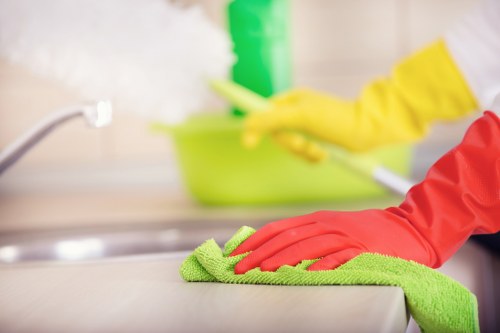
Different rooms require different cleaning priorities, and a room-by-room approach makes domestic cleaning more efficient. Instead of cleaning randomly, you can target each space based on the type of dirt and usage it receives. This is a smart method for achieving better results with less wasted effort.
Kitchen cleaning
The kitchen is often the busiest room in the house and one of the most important areas to keep clean. Food preparation surfaces should be sanitized regularly, especially after handling raw ingredients. Sinks should be scrubbed, appliances wiped, and floors cleaned frequently to remove spills and crumbs. Grease is a common challenge, so a good degreasing product can make a noticeable difference.
Domestic cleaning in the kitchen should also focus on hidden areas such as cupboard handles, backsplash tiles, and the space behind small appliances. These spots collect residue faster than many people realize.
Bathroom cleaning
Bathrooms need strong hygiene practices because they are exposed to moisture and germs. Toilets, taps, shower screens, baths, and sinks should be cleaned with appropriate disinfectants. Grout and tiles may require scrubbing to prevent mold and soap scum from building up. Mirrors and glass surfaces should be polished for a streak-free finish.
Good ventilation is also important. Keeping bathrooms dry supports cleanliness and reduces the chance of damp-related problems. In domestic cleaning, the bathroom should never be an afterthought.
Living room cleaning
The living room usually combines comfort and presentation, so it benefits from regular dusting, vacuuming, and tidying. Sofas, cushions, side tables, entertainment units, and decorative pieces all collect dust. Upholstery may need occasional vacuuming or spot treatment, particularly in homes with children or pets.
Bedroom cleaning
Bedrooms should feel calm, fresh, and restful. That means changing sheets, dusting bedside furniture, vacuuming floors, and keeping surfaces clutter-free. A clean bedroom contributes to better sleep hygiene and a more peaceful atmosphere. Domestic cleaning here is less about appearance alone and more about creating a restful personal space.
Tools and Products That Improve Domestic Cleaning Results
Choosing the right tools can make domestic cleaning faster, safer, and more effective. While there is no need to collect dozens of products, a well-selected toolkit helps you clean thoroughly without unnecessary effort.
Helpful cleaning essentials
- Microfiber cloths for dusting and polishing
- A quality vacuum cleaner with suitable attachments
- Mop and bucket for hard floors
- Non-abrasive sponges and scrub brushes
- All-purpose cleaner for general surfaces
- Disinfectant for bathrooms and high-touch points
- Glass cleaner for mirrors and windows
- Rubber gloves for hand protection
Some households prefer eco-friendly products, and this is a growing trend in domestic cleaning. Natural options can reduce chemical exposure and may be better for homes with children, pets, or sensitive occupants. Vinegar, baking soda, and plant-based cleaners are often used for lighter tasks, though stronger sanitation may still require specialized products in certain areas.
Important: Always read product labels and use cleaning materials safely. Not every surface can handle the same treatment, and mixing products can create harmful reactions. Effective domestic cleaning means cleaning smart, not just cleaning hard.
Eco-Friendly Domestic Cleaning Approaches
Many households now look for greener ways to handle domestic cleaning without sacrificing results. Eco-friendly cleaning focuses on reducing waste, minimizing harsh chemicals, and using reusable materials wherever possible. This approach can be good for your home, your budget, and the environment.
Ways to clean more sustainably
- Use microfiber cloths instead of disposable wipes where practical.
- Choose concentrated or refillable cleaning products to reduce packaging waste.
- Open windows during cleaning to improve ventilation naturally.
- Use reusable mop pads and washable dusters.
- Spot-clean spills quickly to avoid using stronger chemicals later.
Eco-friendly domestic cleaning is not about perfection; it is about making thoughtful choices over time. Even small changes can reduce waste and improve indoor comfort. For many households, this style of cleaning feels more balanced and sustainable in the long term.
Cleaner homes can be maintained responsibly when you combine consistency with smarter product choices and practical habits.
Domestic Cleaning Challenges and How to Overcome Them
Even with the best intentions, domestic cleaning can become difficult when life gets busy. Common barriers include lack of time, motivation, physical fatigue, and uncertainty about where to start. The key is to create systems that make cleaning easier to begin and easier to maintain.
Time pressure
Many people struggle with limited time during the week. In that case, short cleaning bursts can be more effective than waiting for a free day. Set a timer for 10 or 15 minutes and focus on one room or one task. This method can help you make progress without feeling overwhelmed.
Clutter accumulation
Clutter often makes domestic cleaning seem harder than it really is. When items are scattered everywhere, dusting and vacuuming become more difficult. A quick decluttering habit before cleaning can make the whole process smoother. Baskets, drawers, and storage boxes are especially useful for keeping loose items under control.
Hard-to-clean areas
Some areas, such as ovens, grout lines, and behind large furniture, are easy to ignore. Scheduling these tasks for monthly or seasonal cleaning sessions keeps them from becoming major problems. If certain jobs are too demanding, professional domestic cleaning support may be a practical option.
When Professional Domestic Cleaning Can Help
While many homeowners manage regular chores themselves, professional domestic cleaning can be helpful in a variety of situations. It may be especially useful after renovations, during busy work periods, before special events, or when a household needs a thorough reset. Professional cleaners often bring experience, efficient methods, and specialized equipment that can deliver a higher level of cleanliness in less time.
Professional domestic cleaning can also be useful for deep cleaning tasks that require more effort or technical knowledge. For example, upholstery care, carpet treatment, oven cleaning, and end-of-tenancy cleaning are often handled more effectively by trained specialists. This can free up time and reduce stress while still keeping the home in excellent condition.
Choosing professional help does not mean you stop maintaining the home yourself. Instead, it can complement your own routine and support a cleaner, more organized lifestyle. For many households, the combination of everyday tidying and scheduled professional domestic cleaning creates the best long-term results.
How to Build a Domestic Cleaning Routine That Lasts
The most successful cleaning routines are the ones people can actually maintain. A realistic domestic cleaning plan should match your lifestyle, available time, and household needs. Start small, stay consistent, and adjust as needed rather than trying to do everything at once.
One effective method is to assign specific tasks to certain days. For example, Monday might be for bathrooms, Wednesday for floors, and Saturday for deeper cleaning. Another option is to clean by zone, focusing on one area of the house at a time. Both methods can make domestic cleaning feel more manageable and less random.
Consistency matters more than intensity. A moderate routine maintained over time usually produces better results than occasional marathon cleaning sessions. If you are trying to improve your cleaning habits, choose a format that suits your schedule and household rhythm. The goal is progress, not perfection.
Simple habits that support long-term cleanliness
- Put items back after using them
- Wipe spills immediately
- Open windows when possible for fresh air
- Declutter small areas regularly
- Keep core cleaning tools easy to access
Final Thoughts on Domestic Cleaning
Domestic cleaning is a practical part of everyday life, but it also has a strong impact on comfort, health, and home value. A well-cleaned home feels more relaxing, functions more efficiently, and creates a better living experience for everyone inside it. Whether you prefer a simple personal routine or a more detailed cleaning schedule, the most important thing is to stay consistent and adapt your approach to your needs.
By focusing on daily habits, weekly maintenance, monthly deep cleaning, and the right tools, you can keep your home in much better shape with less stress. If you choose to bring in professional support at certain times, that can make domestic cleaning even more manageable. The key is to build a system that works for you and supports a healthier lifestyle over time.
If you are ready to improve your home environment, contact us today to explore practical domestic cleaning support, or book your service now and take the first step toward a cleaner, fresher space.