Regular Cleaning in Homes and Workplaces: Why It Matters, How It Works, and the Lasting Benefits
Understanding the Value of Regular Cleaning
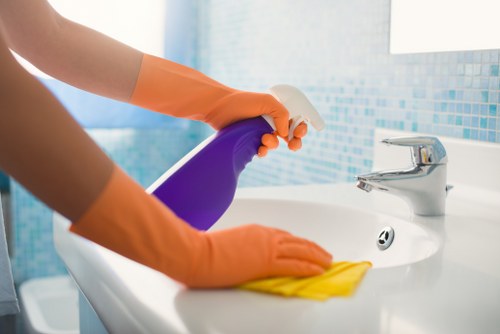
Regular cleaning is more than a household chore or a simple maintenance task. It is a practical habit that supports health, comfort, safety, and productivity in homes, offices, retail spaces, and shared environments. When cleaning is done consistently, it prevents dirt from building up, reduces the spread of germs, and keeps spaces looking fresh and welcoming.
Many people think of cleaning only when surfaces become visibly dirty, but regular cleaning is most effective when it becomes part of a routine. A steady approach helps protect flooring, furniture, appliances, and fixtures from wear and tear. It also creates a more pleasant atmosphere for family members, employees, customers, and guests.
In today’s fast-paced world, maintaining cleanliness can feel challenging. However, with a clear plan and the right habits, regular cleaning becomes easier to manage and far more rewarding over time. Whether you are caring for a home, managing an office, or overseeing a commercial property, consistent cleaning can make a noticeable difference in appearance and function.
Why Regular Cleaning Is Essential for Health and Hygiene

One of the strongest reasons to prioritize regular cleaning is its impact on hygiene. Dust, allergens, bacteria, and viruses can accumulate quickly on high-touch areas such as doorknobs, light switches, countertops, desks, and bathroom fixtures. Without routine attention, these contaminants can spread from one person to another and increase the risk of illness.
Regular cleaning also helps improve indoor air quality. Dust and pet dander can settle on furniture and floors, then become airborne again when disturbed. Vacuuming, dusting, and mopping on a consistent schedule can reduce these particles and make the air feel cleaner. This is especially helpful for people with allergies, asthma, or other respiratory concerns.
Another important benefit of regular cleaning is the reduction of unpleasant odors. Food residue, moisture, mold, and trash can all create smells that make a space feel uninviting. By staying ahead of buildup, you can maintain a fresher environment that supports comfort and well-being.
Health-focused benefits of routine cleaning
- Reduces germs on shared surfaces
- Lowers dust and allergen accumulation
- Helps prevent mold and mildew growth
- Improves overall indoor air quality
- Supports a cleaner, safer environment for everyone
How Regular Cleaning Improves Appearance and First Impressions

A clean environment immediately communicates care, organization, and professionalism. This is one reason why regular cleaning is so important in both residential and commercial settings. When a space is maintained consistently, it looks more polished and feels more inviting. Visitors notice clean floors, tidy surfaces, fresh-smelling rooms, and organized spaces almost instantly.
In a home, regular cleaning creates a more relaxing and enjoyable atmosphere. Clutter-free counters, dust-free shelves, and spotless bathrooms make daily living more comfortable. In a workplace, the effect is even more noticeable. Clients, customers, and employees are more likely to feel confident in a business that values cleanliness and order.
Clean environments also support better focus and smoother daily routines. When surfaces are clear and items are in their proper place, people spend less time searching for what they need. That means regular cleaning does more than make a room look nice—it helps the space function better too.
The visual impact of consistent maintenance
Regular cleaning helps preserve the original look of materials and furnishings. Over time, dirt and grime can dull finishes, stain fabrics, and leave floors looking worn. A consistent routine keeps everything brighter, cleaner, and more presentable for longer.
Key Areas That Benefit Most from Regular Cleaning
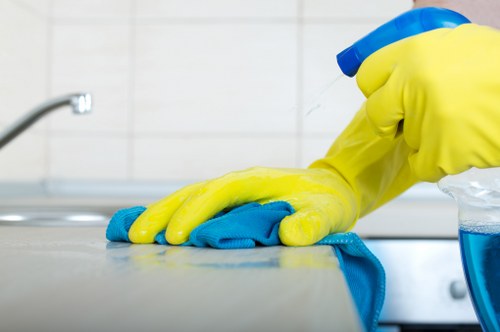
Some areas require more attention than others because they are used more often or are more likely to collect dirt and germs. Focusing on these spots is a smart way to make regular cleaning more effective. High-traffic and high-touch locations should be cleaned frequently to keep the entire environment in better condition.
Kitchen areas are a top priority because they can collect food debris, grease, and bacteria. Counters, sinks, appliances, and cabinet handles all need routine care to stay sanitary and safe. Bathrooms are equally important, since moisture and frequent use create ideal conditions for germs and buildup.
Other essential areas include entryways, hallways, desks, shared meeting rooms, living rooms, and floors. These spaces often collect the most dirt because they are used by multiple people throughout the day. A focused regular cleaning routine helps prevent clutter and grime from spreading to other parts of the property.
High-priority cleaning zones
- Kitchen counters, sinks, and appliances
- Bathroom fixtures, mirrors, and tile
- Floors in entryways and corridors
- Desks, tables, and shared work surfaces
- Doorknobs, switches, railings, and hand-contact areas
Regular Cleaning in Homes: Creating a Comfortable Living Space
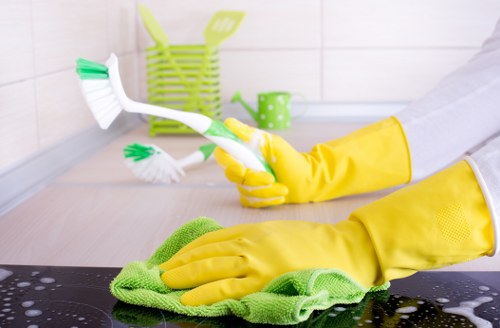
For homeowners and renters alike, regular cleaning is one of the simplest ways to keep a living space comfortable and functional. A clean home feels calmer, more organized, and easier to enjoy. It also reduces the stress that often comes from clutter and unfinished tasks.
A routine can be built around daily, weekly, and monthly tasks. Daily cleaning might include wiping counters, washing dishes, and tidying common areas. Weekly cleaning could involve vacuuming, mopping, dusting, and sanitizing bathrooms. Monthly tasks may include deep-cleaning appliances, organizing storage spaces, and washing items that are not cleaned as often.
Consistency matters more than perfection. Even small efforts done regularly can prevent major buildup and save time later. Many people find that once they establish a rhythm, regular cleaning becomes less overwhelming and more manageable. The key is to create habits that fit the household’s size, schedule, and lifestyle.
Simple ways to keep a home cleaner every day
Here are a few practical habits that support long-term cleanliness:
- Put items back after each use
- Wipe spills immediately
- Run the dishwasher or wash dishes daily
- Take out trash before it overflows
- Do a quick evening tidy-up
These small actions add up. When combined with scheduled regular cleaning, they help maintain a home that feels peaceful and well cared for.
Regular Cleaning in Offices and Commercial Spaces
Businesses rely on regular cleaning to maintain a professional environment and support day-to-day operations. Offices, storefronts, clinics, restaurants, and other commercial spaces all benefit from consistent upkeep. Clean surroundings influence how people work, how customers perceive a brand, and how safely a space operates.
In offices, regular cleaning can improve employee morale and concentration. A tidy desk, clean break room, and sanitized shared equipment all contribute to a better work experience. In customer-facing spaces, cleanliness plays a direct role in reputation. Clients are more likely to trust a business that looks organized and well maintained.
Commercial cleaning schedules are often more detailed because many people use the same areas throughout the day. Frequent attention to restrooms, lobbies, reception areas, floors, and high-touch surfaces is essential. With regular cleaning, businesses can reduce distractions, extend the life of furniture and fixtures, and create a more welcoming environment.
Benefits for businesses
- Supports a professional image
- Helps maintain staff productivity
- Improves client and customer confidence
- Reduces the spread of germs in shared spaces
- Preserves property and equipment over time
When businesses invest in regular cleaning, they invest in long-term efficiency and a stronger brand presence.
Building an Effective Regular Cleaning Routine
A strong cleaning routine is built on consistency, realistic goals, and clear priorities. The best regular cleaning plans are simple enough to follow and flexible enough to adapt to changing needs. Rather than trying to clean everything all at once, it helps to break tasks into daily, weekly, and seasonal categories.
Start by identifying the spaces that get the most use. These areas typically need the most frequent attention. Then determine which tasks are quick enough to do daily and which ones can be scheduled for specific days of the week. This structure makes cleaning feel less random and more manageable.
It is also useful to keep cleaning supplies accessible. When tools and products are stored in convenient places, it becomes easier to handle messes immediately. That convenience supports regular cleaning and reduces the likelihood of delays that lead to buildup.
A simple structure for routine cleaning
Daily tasks may include sweeping, wiping, sanitizing surfaces, and putting clutter away. Weekly tasks often involve deeper dusting, vacuuming, and scrubbing. Monthly tasks can include cleaning vents, organizing storage, and washing areas that do not need frequent attention.
This approach creates balance and helps keep cleaning from becoming overwhelming.
Tools and Supplies That Support Better Cleaning Results
The right tools make regular cleaning faster, easier, and more effective. While every space has different needs, a basic collection of supplies can handle most routine tasks. Quality tools also save effort by reducing repeated scrubbing and improving results.
Common essentials include microfiber cloths, all-purpose cleaner, disinfectant, a vacuum, mop, broom, dustpan, sponges, and trash bags. In kitchens and bathrooms, specialized products may be helpful for grease, soap scum, or mineral buildup. For larger spaces, a dependable vacuum and floor-cleaning system are especially important.
Using the right product for each surface matters. Harsh chemicals can damage finishes, while the wrong cloth or brush may leave scratches. Regular cleaning works best when paired with safe, appropriate tools that protect surfaces while removing dirt efficiently.
Helpful supplies to keep on hand
- Microfiber cloths for dusting and wiping
- Disinfectant for high-touch areas
- Vacuum cleaner with attachments
- Mop and bucket for hard floors
- Baking soda or surface-safe cleaners for tougher buildup
Being prepared makes it easier to stick with regular cleaning without interruptions or unnecessary delays.
How Regular Cleaning Saves Time and Money
At first glance, regular cleaning may seem like an added task, but it often saves time and money in the long run. When dirt, dust, and stains are addressed early, they are easier to remove. That means less labor, fewer costly cleaning emergencies, and less wear on surfaces and equipment.
For example, a spill that is cleaned immediately is far less likely to cause a permanent stain. Dust that is removed regularly is less likely to damage electronics or clog vents. In kitchens and bathrooms, routine maintenance helps prevent the type of buildup that requires intensive deep cleaning later.
Clean surroundings can also reduce repair and replacement costs. Floors, upholstery, appliances, and fixtures last longer when they are cared for consistently. That makes regular cleaning a smart long-term habit, not just a short-term chore.
Cost-saving advantages
- Reduces expensive deep-cleaning needs
- Helps preserve flooring and furniture
- Prevents stains and damage from setting in
- Improves efficiency by avoiding larger messes
- Extends the lifespan of household and office items
Whether at home or at work, consistent maintenance is a practical investment in the space itself.
Overcoming Common Challenges with Regular Cleaning
Many people want cleaner spaces but struggle with time, energy, or organization. The good news is that regular cleaning can be adjusted to fit different routines and lifestyles. The goal is not to create a perfect environment overnight, but to build a system that can be maintained over time.
One common challenge is feeling overwhelmed by the size of the task. In that case, it helps to focus on one room or one category at a time. Another challenge is inconsistent scheduling. Setting reminders or assigning tasks to specific days can make the process more predictable and easier to follow.
Motivation can also be improved by starting with small wins. Cleaning a countertop, organizing a shelf, or vacuuming a single room can create momentum. As progress becomes visible, it is easier to continue. Over time, regular cleaning becomes less of a burden and more of a habit that supports daily life.
Practical tips for staying consistent
- Use a checklist to track recurring tasks
- Set a timer for short cleaning sessions
- Assign responsibilities to household members or staff
- Keep cleaning tools easy to reach
- Focus on prevention instead of waiting for buildup
These small adjustments can make a big difference in maintaining long-term cleanliness.
Why Professional Support Can Enhance Regular Cleaning
Although many spaces can be maintained with routine upkeep, professional support can take regular cleaning to a higher level. Skilled cleaners bring experience, efficiency, and attention to detail that can be especially valuable for larger homes, busy offices, or properties with special cleaning needs.
Professional cleaning services often handle tasks that go beyond standard surface cleaning. This may include deep sanitizing, floor care, carpet maintenance, upholstery cleaning, and specialized treatment for kitchens or bathrooms. For businesses, a professional approach helps maintain a polished appearance while keeping daily operations uninterrupted.
Even when professional help is used occasionally, it can complement everyday habits. The combination of daily upkeep and scheduled expert support creates a more reliable system. That balance makes regular cleaning easier to sustain and more effective overall.
If your environment is becoming harder to maintain, it may be time to Book your service now and make cleanliness a consistent priority. Contact us today to keep your space looking and feeling its best.
Long-Term Rewards of a Clean and Well-Maintained Space
The benefits of regular cleaning extend far beyond the immediate appearance of a room. Over time, consistent cleaning contributes to a healthier atmosphere, a more organized routine, and a greater sense of comfort. It also supports pride in ownership, whether the space belongs to a family, a business, or a property manager.
A well-maintained environment is easier to enjoy and easier to use. People can relax, work, and gather with less distraction when the space around them is fresh and orderly. Clean surfaces, clear pathways, and sanitized touchpoints all contribute to a better experience throughout the day.
Perhaps the most important reward of regular cleaning is peace of mind. Knowing that a space is cared for consistently removes stress and creates confidence. It turns cleaning from a reaction to a proactive habit. That shift is what makes the difference between occasional tidying and lasting cleanliness.
Final thoughts on consistency
Regular cleaning is one of the most effective ways to support health, preserve property, and improve daily life. With a thoughtful routine, the right tools, and steady effort, any home or workplace can become cleaner, safer, and more enjoyable. If you are ready to improve your environment, start now, stay consistent, and Book your service now if you want expert support that makes the process easier.