Insurance and Safety
 Our insurance and safety standards are designed to protect people, property, and operations across every project. We understand that safe working practices are not optional; they are the foundation of reliable service delivery. That is why our approach combines public liability insurance, structured staff training, appropriate PPE, and a clear risk assessment process to reduce hazards before work begins. By embedding these measures into day-to-day operations, we help create a safer environment for clients, employees, and the public.
We recognise that every site and task carries different levels of risk. For that reason, our insurance and safety framework is built to adapt to the demands of the work while maintaining consistent standards. Whether the job involves routine access, working around the public, or handling equipment and materials, our team follows disciplined procedures that support safe outcomes. This commitment also helps ensure that our service remains dependable, compliant, and professionally managed.
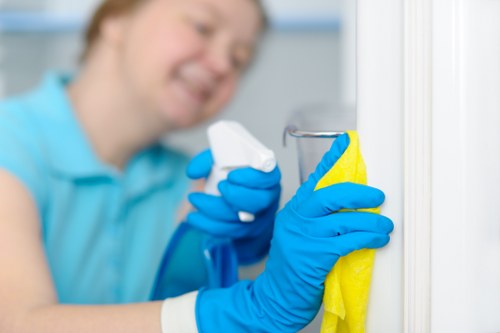 At the core of our insurance and safety policy is a practical understanding of responsibility. We do not treat safety as a separate activity; it is integrated into planning, supervision, and execution. Every stage of work is considered carefully, from identifying hazards to selecting controls that are proportionate and effective. This proactive mindset helps us maintain high standards while keeping disruption and exposure to risk as low as reasonably possible.
Public Liability Insurance
Our public liability insurance provides important protection in the event that third-party injury or property damage occurs as a result of our activities. This coverage is a key part of our risk management approach and gives an added layer of confidence when work is taking place in shared or public environments. It reflects our commitment to operating responsibly and to taking accountability seriously.
Insurance alone is never a substitute for safe practice, but it is an essential safeguard within a broader system of control. By combining robust procedures with appropriate cover, we help ensure that unforeseen incidents are managed professionally. This balanced approach supports both operational continuity and the protection of those who may be affected by our work.
In addition to maintaining public liability cover, we regularly review our working methods to ensure they remain aligned with current expectations and best practice. This includes considering site-specific conditions, the nature of the task, and the level of interaction with members of the public. As part of our wider insurance and safety strategy, insurance is treated as one part of a much larger commitment to care and prevention.
Staff Training and Competence
 A strong staff training programme is essential to maintaining high safety standards. All team members are instructed in safe systems of work, hazard awareness, emergency procedures, and the correct use of equipment. Training is not a one-time event; it is reviewed and refreshed so that knowledge stays current and practical skills remain sharp. This helps ensure that the team can respond appropriately in both routine and unexpected situations.
We place a strong emphasis on competence, supervision, and accountability. Training for insurance and safety purposes includes understanding how to reduce the likelihood of incidents, how to report concerns promptly, and how to work in a way that protects others as well as oneself. New starters are introduced to procedures carefully, while experienced staff receive updates to support continuous improvement and consistent performance.
Alongside technical knowledge, our training also covers communication and situational awareness. Staff are encouraged to pause and reassess conditions if anything changes, especially where weather, access, or surrounding activity creates additional risk. This disciplined approach supports safer decision-making and helps ensure that our insurance and safety measures remain effective throughout the working day.
Personal Protective Equipment
Appropriate PPE is selected according to the task, environment, and identified hazards. This may include gloves, high-visibility clothing, eye protection, helmets, safety footwear, or other task-specific items. We ensure that equipment is suitable for the work being undertaken and that it is used correctly at all times. Proper personal protective equipment plays a significant role in reducing the severity of injury if an incident occurs.
We also take care to inspect PPE regularly so that it remains in good condition and fit for purpose. Damaged or unsuitable items are replaced without delay, as compromised equipment can undermine the whole safety system. Our approach to PPE within insurance and safety planning is practical and preventative, supporting the broader aim of keeping people protected through reliable everyday controls.
Importantly, PPE is viewed as the final layer of protection rather than the first. It works best when combined with thoughtful planning, safe working methods, and clear supervision. By reinforcing this principle, we maintain a culture in which the use of protective equipment is understood as part of a wider commitment to professional safety management.
Risk Assessment Process
The risk assessment process begins before work starts and continues as conditions develop. We identify possible hazards, evaluate who may be harmed, and determine what controls are needed to reduce risk to an acceptable level. This process is proportionate, detailed, and focused on practical outcomes. It allows us to plan work carefully while maintaining flexibility where conditions change.
When completing an insurance and safety risk assessment, we consider the environment, equipment, task complexity, and the presence of the public or other workers. We also review any relevant legal or site requirements to ensure our controls remain appropriate. Where necessary, additional measures are introduced, such as restricted access, improved signage, extra supervision, or changes to the sequence of work.
 Risk assessments are documented and communicated clearly so that everyone involved understands the control measures in place. They are not static documents; they are reviewed whenever there is a change in method, location, personnel, or site conditions. This continuous review process helps us maintain high standards and ensures that our insurance and safety approach remains responsive and effective.
Our Ongoing Commitment
 Our insurance and safety practices are built on prevention, preparation, and professional responsibility. By combining public liability insurance, staff training, suitable PPE, and a thorough risk assessment process, we create a reliable framework that supports safe and efficient working. Each element strengthens the others, helping us manage risk in a structured and consistent way.
We believe that a strong safety culture benefits everyone involved. It improves confidence, reduces avoidable incidents, and supports smooth project delivery. Through ongoing review and a clear commitment to best practice, our insurance and safety standards remain a central part of how we operate every day.