End of Tenancy Cleaning in a Rental Property: A Practical, SEO-Friendly Approach
Why End of Tenancy Cleaning Matters for Tenants and Landlords
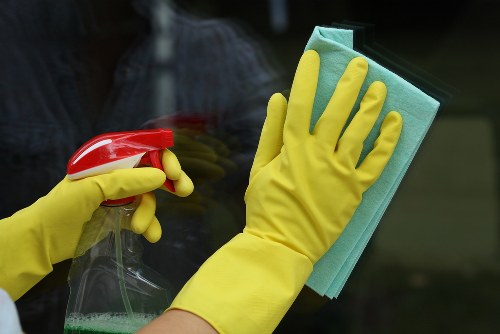
End of tenancy cleaning is one of the most important tasks at the end of a rental agreement. Whether you are a tenant preparing to move out or a landlord getting a property ready for new occupants, the condition of the home matters. A clean property creates a smooth handover, helps protect the deposit, and leaves a positive final impression.
In many rental situations, the expectation is simple: the property should be returned in a clean and tidy condition, ready for the next resident. That is why end of tenancy cleaning is often more detailed than standard domestic cleaning. It usually involves deep cleaning kitchens, bathrooms, appliances, fixtures, flooring, and hidden areas that are easy to miss during regular upkeep.
For tenants, this process can reduce the risk of deposit deductions and disputes. For landlords and letting agents, a professionally cleaned property can help speed up re-letting and improve the appeal of the home. In competitive rental markets, presentation can make a real difference.
What End of Tenancy Cleaning Includes

Unlike routine cleaning, end of tenancy cleaning focuses on restoring a property to a high standard. It is more thorough, more detailed, and usually covers the full interior of the home. The exact checklist may vary depending on the property, but the main aim is always the same: remove built-up dirt, grime, dust, and marks.
Typical tasks include cleaning inside cupboards, wiping skirting boards, removing grease from kitchen surfaces, descaling bathroom fittings, and vacuuming or mopping floors. In some cases, the service may also involve cleaning windows from the inside, disinfecting high-touch points, and tackling areas that are often overlooked.
Many tenants assume a quick tidy-up is enough, but end of tenancy cleaning usually requires a much deeper level of care. Attention to detail is essential, especially because inventory checks often compare the property’s condition with the move-in report.
Common areas covered during the service
Professional end of tenancy cleaning services usually focus on the following areas:
- Kitchen cabinets, countertops, sinks, taps, and splashbacks
- Oven, hob, extractor fan, and other appliances
- Bathrooms, including toilets, showers, bathtubs, and tiles
- Bedrooms, living rooms, hallways, and staircases
- Doors, handles, switches, and skirting boards
- Vacuuming carpets and mopping hard floors
- Removing cobwebs, dust, and surface marks
Some companies also offer extras such as carpet cleaning, upholstery cleaning, or deep appliance cleaning. These additions can be especially useful if the property has been occupied for a long time or if there are stubborn stains and odours.
When you understand what is included, it becomes easier to decide whether to clean the property yourself or hire specialists for end of tenancy cleaning in your area.
How End of Tenancy Cleaning Supports Deposit Recovery

One of the biggest reasons tenants book end of tenancy cleaning is to improve the chances of getting their full deposit back. Deposit disputes are often linked to cleanliness, especially if a property is left with grease, dust, stains, or limescale. Even if the home seems tidy at first glance, agents and landlords may notice areas that have not been properly cleaned.
A careful cleaning routine can help demonstrate that the property has been looked after responsibly. This is especially important when the tenancy agreement requires the home to be returned in the same condition as at the start, aside from reasonable wear and tear.
Good cleaning reduces uncertainty. If the property is spotless, there is less room for disagreement during the final inspection. That is why many tenants view end of tenancy cleaning not as an extra cost, but as a practical step to protect their deposit and avoid avoidable deductions.
The difference between standard cleaning and end of tenancy cleaning
Standard domestic cleaning is usually designed to keep a home neat and manageable from week to week. It may include dusting, vacuuming, wiping surfaces, and general bathroom and kitchen upkeep. End of tenancy cleaning, however, goes much further.
It often involves cleaning places that are not part of everyday routines. Think of the inside of ovens, behind appliances, inside drawers and cupboards, light fittings, extractor fans, and grout lines. These details matter during move-out inspections.
For this reason, many people choose to hire a professional team rather than rely on a quick DIY clean. A trained cleaner knows where dirt tends to hide and how to deal with high-use areas efficiently. End of tenancy cleaning in a rental setting is about presentation, hygiene, and compliance with expectations.
Why Professional End of Tenancy Cleaning Is Worth Considering

There are several reasons why professional end of tenancy cleaning is often worth the investment. First, it saves time at a stressful point in the moving process. Packing, organising removals, dealing with paperwork, and managing utilities already take up a lot of energy. Outsourcing the cleaning can make the final days before move-out far easier.
Second, professional cleaners bring experience and equipment that can improve results. They know how to clean stubborn grease, remove soap scum, and refresh areas that may have been neglected over time. This can be particularly useful in kitchens and bathrooms, where dirt builds up quickly.
Third, many services offer checklists that align with landlord and letting agent expectations. That means the work is not only thorough but also targeted. A well-executed end of tenancy cleaning service can make the property look move-in ready and reduce the chance of complaints after the inspection.
Benefits of hiring specialists
Choosing specialists for end of tenancy cleaning can offer practical advantages such as:
- Saving time during a busy moving period
- Achieving a deeper, more detailed finish
- Reducing stress before the final inspection
- Improving the likelihood of a full deposit return
- Creating a cleaner, fresher environment for the next occupants
In addition, professional cleaners often work from a structured checklist, which can help ensure nothing is missed. This level of organisation is especially helpful when the property has multiple rooms or features that need extra attention.
Rooms That Need Extra Attention During End of Tenancy Cleaning
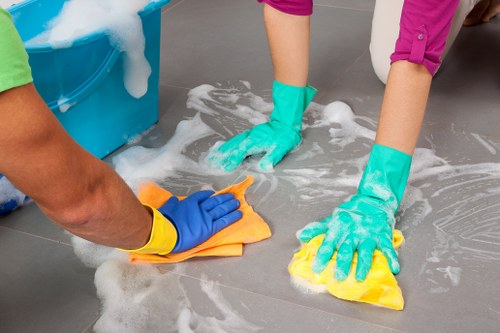
Some rooms are more demanding than others, and end of tenancy cleaning should always reflect that. Kitchens and bathrooms usually need the most effort because they collect grease, moisture, scale, and bacteria.
In the kitchen, attention should be paid to ovens, hob surfaces, extractor fans, sinks, cupboard fronts, and worktops. Food residue and grease can become stubborn if left for a long time, so these areas often need specialist products and tools.
Bathrooms require careful descaling, especially around taps, shower screens, tiles, and toilets. Hard water stains can make surfaces look older than they are, so thorough cleaning can instantly improve the room’s appearance. Bedrooms and living areas may seem easier, but they still need dusting, vacuuming, and detailed spot cleaning.
Kitchens and bathrooms: the hardest-working spaces
These two rooms often define the overall success of end of tenancy cleaning. If the kitchen looks neglected or the bathroom has visible scale, the whole property may appear less cared for. That is why many cleaning teams spend extra time in these areas.
In kitchens, it helps to clean from top to bottom. Start with the upper cabinets and finish with the floor. In bathrooms, work systematically around the room so that mirrors, tiles, and fixtures are all covered properly. This approach is efficient and reduces the chance of missing spots.
Where needed, a deep clean should include degreasing, disinfection, polishing, and careful drying to avoid streaks or residue. The final effect should be neat, fresh, and ready for inspection.
Should Tenants Clean Themselves or Book a Service?
This is a common question, and the answer depends on time, budget, and the condition of the property. Some tenants prefer to handle end of tenancy cleaning themselves, especially if the home has been well maintained. If you choose this route, you will need a clear checklist, the right products, and enough time to complete the work thoroughly.
However, DIY cleaning can be harder than expected. It may be difficult to reach every area, especially if the property has been occupied for a long time. There is also the risk of overlooking details that are important during check-out.
Hiring a professional service can be the easier option if you want a high standard without the pressure. For many renters, the peace of mind is worth it. If the aim is to maximise deposit recovery and reduce stress, end of tenancy cleaning in a rental property often makes sense as a professional service.
When DIY might be enough
DIY end of tenancy cleaning may be suitable when:
- The property is small and easy to maintain
- You have kept up with regular cleaning throughout the tenancy
- There are no major stains, mould issues, or heavy grease build-up
- You have enough time and energy before the move
- Your tenancy agreement does not require a professional clean
Even then, it is important to be methodical. Rushing through the process can create problems later. A detailed approach is always better than assuming a quick refresh will be enough.
How to Prepare for End of Tenancy Cleaning
Preparation makes a huge difference to the final result. Before starting end of tenancy cleaning, remove personal belongings, empty cupboards, defrost the freezer if needed, and clear surfaces. This gives cleaners better access and helps them work more efficiently.
It is also wise to check your tenancy agreement and inventory report. These documents may include specific cleaning requirements or conditions that must be met before handing back the keys. If you are booking a service, let the cleaners know about any problem areas in advance.
Taking photos before and after the clean can also be useful. While this is not a substitute for proper cleaning, it can provide helpful evidence if there is any dispute later. Preparation, communication, and attention to detail all support a smoother move-out process.
Useful preparation checklist
Before the cleaning begins, make sure you:
- Remove all personal items and rubbish
- Clear shelves, cupboards, and drawers
- Defrost appliances if needed
- Disconnect or safely store loose equipment
- Report any damage separately from cleaning issues
This short checklist helps create the right conditions for a successful end of tenancy cleaning session and makes it easier to achieve a professional-looking result.
Common Mistakes to Avoid
Even motivated tenants can make mistakes during end of tenancy cleaning. One of the most common is underestimating how long the work will take. A full property clean can take hours, especially if appliances, bathrooms, or carpets need extra attention.
Another mistake is using the wrong products. Harsh chemicals can damage surfaces, while weak products may not remove built-up dirt effectively. Always test products carefully and follow instructions on the label. Using the correct method is just as important as using the right cleaner.
A third issue is forgetting hidden spaces. Behind radiators, inside ovens, under sinks, and around light switches are all areas that inspectors may notice. A successful end of tenancy cleaning job requires consistent detail across every room.
How to avoid inspection-day problems
To avoid issues during the final check, make sure the property is:
- Cleaned room by room, not randomly
- Free from dust, grease, and limescale
- Fresh-smelling and well-ventilated
- Vacuumed and mopped properly
- Finished with visible problem spots corrected
These simple steps can improve the outcome of your inspection and help ensure the property is handed back in the right condition.
What Landlords and Letting Agents Look For
Landlords and letting agents typically assess whether the property has been left in a clean and presentable state. During a check-out inspection, they may compare the home against the original inventory or condition report. This makes end of tenancy cleaning especially important.
They often look for obvious signs of neglect, such as grease on kitchen surfaces, mould in bathrooms, stains on carpets, dust in corners, and residue on appliances. Even minor issues can stand out if the rest of the property looks fresh.
If the home appears well cared for, the inspection is usually quicker and less problematic. That is one reason why many tenants invest in end of tenancy cleaning in a rental property rather than taking chances with a basic clean.
Why standards matter at the end of a tenancy
High standards matter because the move-out stage is often the last impression a tenant leaves behind. A thorough end of tenancy cleaning service shows respect for the property and can help preserve good relationships between tenants, landlords, and agents.
It can also support faster turnover. When a property is ready sooner, it may be re-let more quickly, which benefits landlords and reduces vacancy time. Clean, presentable homes are easier to market and more attractive to prospective tenants.
In this way, cleanliness supports both practical and financial goals for all parties involved.
SEO-Friendly Reasons People Search for End of Tenancy Cleaning
People search for end of tenancy cleaning for many reasons, and these search patterns reflect real-world needs. Some want to protect a deposit. Others need a fast, reliable service before moving day. Many are comparing prices, services, and cleaning standards.
Common related searches include move-out cleaning, deep cleaning for rented homes, final tenancy cleaning, and professional rental property cleaning. Using these related terms naturally helps readers understand the topic while also improving search visibility.
For businesses, focusing on clear service descriptions, local intent, and useful content can help attract the right audience. For readers, it means finding practical information that answers common questions about end of tenancy cleaning without unnecessary jargon.
Choosing the Right End of Tenancy Cleaning Service
If you decide to book a service, it helps to know what to look for. A reliable end of tenancy cleaning provider should offer a clear checklist, transparent pricing, and a consistent process. They should also understand the expectations of landlords and agents.
Look for services that are specific about what is included and what counts as an extra. For example, oven cleaning, carpet care, and appliance deep cleaning may be separate add-ons. Knowing this in advance helps avoid confusion and ensures you get the level of cleaning you need.
It is also helpful to choose a team that works efficiently and communicates clearly. Professionalism matters, especially when the cleaning needs to be completed within a tight move-out schedule. Book your service now if you want a smoother transition and a cleaner handover.
Questions to ask before booking
Before selecting an end of tenancy cleaning service, ask:
- What is included in the standard clean?
- Are ovens, carpets, and appliances covered?
- Do you offer a re-clean policy if needed?
- How long will the service take?
- Are your cleaners experienced with rental properties?
These questions help you compare options and choose a service that suits your property and timeline.
Final Thoughts on End of Tenancy Cleaning
End of tenancy cleaning is more than just a final tidy-up. It is a careful, detailed process that helps tenants, landlords, and letting agents complete the move-out stage with fewer issues. From kitchens and bathrooms to floors, fixtures, and hidden corners, every part of the property deserves attention.
Whether you do it yourself or hire professionals, the key is to be thorough. A clean property is easier to inspect, more pleasant to hand over, and more likely to meet expectations. It also supports better outcomes when it comes to deposit returns and re-letting.
If you are preparing to move out, now is the right time to plan ahead. Make a checklist, review your tenancy agreement, and decide whether a professional clean is the best option for your situation. Contact us today or book your service now to make your move-out process easier and more efficient.