Rug Cleaning in Home and Business Spaces: Practical Methods for Fresh, Healthy Floors
Why Rug Cleaning Matters More Than Most People Realize
Rug cleaning is one of those household and commercial tasks that often gets delayed until a stain becomes impossible to ignore. Yet rugs do far more than decorate a room. They trap dust, absorb foot traffic, soften sound, and help define the atmosphere of a space. Over time, though, they also collect dirt, allergens, pet dander, moisture, food particles, and odors. That is why regular rug cleaning is essential for both appearance and indoor air quality.
When people think about floor care, they usually focus on vacuuming or mopping. But rugs need more attention because fibers hold on to debris far below the surface. A quick pass with a vacuum may remove loose dirt, but it often leaves behind hidden grime. Proper rug cleaning reaches deeper into the fibers, helping preserve texture, color, and durability.
If you want a cleaner, healthier living environment, rug maintenance should be part of your routine. Whether you own a small area rug, an expensive handwoven piece, or a high-traffic commercial floor covering, the right rug cleaning approach can extend its life and keep it looking inviting. For many property owners, this is not just a cosmetic issue; it is also a practical investment in the condition of the space.
Understanding Different Rug Materials
Before starting any rug cleaning project, it helps to understand the rug material. Different fibers react differently to water, heat, detergents, and agitation. Wool, cotton, silk, synthetic fibers, jute, and blends all require slightly different handling. A method that works well for a durable synthetic rug may damage a delicate antique textile.
Wool rugs, for example, are known for resilience and softness, but they can shrink or felt if cleaned with overly hot water or harsh chemicals. Synthetic rugs, such as nylon or polyester, are often more forgiving and may handle deep rug cleaning more easily. Natural fiber rugs like jute or sisal can be sensitive to excess moisture, so spot treatment and careful drying are especially important.
Knowing the material also helps you avoid common mistakes. For instance, using a very wet cleaning method on a rug that is not designed for saturation can lead to mildew or distortion. On the other hand, using a mild but incomplete process may not remove embedded grime. The best rug cleaning results come from matching the method to the fiber type, construction, and level of soil.
Common Signs Your Rug Needs Attention
Some rugs look clean on the surface but still need deep rug cleaning. One of the most obvious signs is visible staining, but there are subtler clues as well. Dull color, flattened fibers, persistent odor, and a gritty feel underfoot all suggest that dust and debris have built up beyond what vacuuming can remove.
Traffic lanes are another common sign. These are the paths where people walk most often, and they can become darker over time because dirt gets pressed into the pile. Pet owners may notice lingering smells, while families with children may find food, drink, or craft stains. In business settings, rugs near entryways, desks, and waiting areas often need frequent rug cleaning because they collect heavy foot traffic.
Allergy symptoms can also point to the need for more thorough care. If dust and allergens are trapped in the rug, they may be released into the air when someone walks across the floor. Regular rug cleaning can reduce buildup and help create a more comfortable indoor environment, especially in bedrooms, living rooms, and offices where people spend a lot of time.
Popular Rug Cleaning Methods and How They Work
There is no single best method for every rug. The right choice depends on material, size, soil level, and whether the rug is part of a busy household or a commercial property. Understanding the main rug cleaning methods can help you choose the safest and most effective option for your situation.
1. Vacuuming and Routine Surface Care
Vacuuming is the foundation of good rug cleaning. It removes dry soil before it settles deep into the fibers. For most rugs, regular vacuuming once or twice a week is helpful, while high-traffic areas may need more frequent attention. Use the correct vacuum setting so you do not damage loops or pull loose fibers.
- Vacuum slowly to lift embedded dirt.
- Use a brushless attachment for delicate rugs.
- Vacuum both sides when possible.
- Shake out smaller rugs outdoors if appropriate.
Routine vacuuming may seem simple, but it makes a noticeable difference. When dirt is removed early, the rug stays brighter, softer, and easier to maintain. It also reduces how often you need intensive rug cleaning later on.
2. Spot Cleaning for Fresh Spills
Accidents happen, and quick action is crucial. Spot cleaning is a targeted rug cleaning technique used to treat spills before they set. The first step is usually to blot the area with a clean cloth rather than rubbing, which can spread the stain and push it deeper into the fibers. Use a gentle cleaning solution suitable for the rug material.
It is smart to test any cleaner on a hidden area first. Some rugs may discolor if treated with strong products, especially those made from natural dyes or delicate fibers. A careful spot-treatment routine can prevent a small problem from becoming a long-term stain. For best results, treat the area promptly, work from the outside of the stain inward, and dry it thoroughly.
Spot cleaning is not a replacement for full rug cleaning, but it is an essential part of routine care. The sooner a stain is addressed, the better the chance of complete removal.
Deep Rug Cleaning Techniques for Better Results

When vacuuming and spot cleaning are not enough, a deeper approach may be necessary. Deep rug cleaning removes embedded soil, residues, and odors that accumulate over time. This can be done through professional service or, in some cases, carefully at home. The right approach depends on the rug’s construction and condition.
One of the most common deep-cleaning methods is hot water extraction, sometimes called steam cleaning, although it does not always use true steam. This process injects cleaning solution into the fibers and then extracts it along with loosened dirt. It can be highly effective for many synthetic rugs, but it must be used carefully on moisture-sensitive materials.
Another option is dry rug cleaning, which uses low-moisture compounds or specialized powders. This method may be useful for rugs that cannot tolerate much water. It can refresh the surface and reduce drying time. For delicate or antique rugs, professional rug cleaning often combines inspection, dust removal, gentle washing, and controlled drying to protect the fibers.
3. Hand Washing for Delicate Rugs
Hand washing is a traditional rug cleaning method that offers more control than machine-based approaches. It is especially useful for valuable, fragile, or handcrafted rugs. The process generally involves pre-inspection, careful dust removal, gentle washing with appropriate solutions, rinsing, and drying in a controlled environment.
This method allows for attention to detail. Heavily soiled spots can be treated individually, and the amount of moisture can be managed more precisely. For rugs with fringe, natural dyes, or intricate weaving, hand washing can be a safer choice than aggressive cleaning equipment. Still, it requires skill, patience, and the right products.
Although hand washing may take longer, it is often worth it for preserving the look and structure of the rug. When performed correctly, this type of rug cleaning can revive colors and restore softness without causing unnecessary stress to the fibers.
Professional Rug Cleaning vs. DIY Approaches

Many people wonder whether they should handle rug cleaning themselves or hire a professional. The answer depends on the rug, the stain, and the results you want. DIY care can be effective for routine maintenance, light spots, and quick refreshes. However, deep stains, odors, pet accidents, and delicate materials may require expert attention.
Professional cleaners typically have specialized equipment, fiber-specific products, and experience with different rug types. They can assess the rug’s condition, identify potential risks, and choose the safest cleaning method. For expensive or sentimental rugs, this expertise can be especially valuable. In many cases, professional rug cleaning also includes proper drying and finishing, which helps maintain shape and texture.
DIY methods are practical for smaller tasks and can save money, but they should be used with care. Over-wetting a rug, using the wrong detergent, or scrubbing too hard can create more problems than they solve. A balanced strategy often works best: routine maintenance at home, with professional rug cleaning when the rug needs deeper treatment.
How Often Should Rugs Be Cleaned?
The ideal rug cleaning schedule depends on how much the rug is used. A decorative rug in a low-traffic room may only need deeper cleaning once a year, while a hallway rug or entry rug may need attention much more often. Homes with pets, children, or allergy concerns may also require more frequent maintenance.
- Low traffic: Vacuum weekly and deep clean every 12 months.
- Moderate traffic: Vacuum several times a week and deep clean every 6 to 12 months.
- High traffic: Vacuum frequently and deep clean every 3 to 6 months.
- Pet or allergy households: Increase spot cleaning and odor control as needed.
Commercial spaces often need an even more active routine. Offices, hospitality areas, and retail environments experience constant foot traffic, so regular rug cleaning helps maintain a polished appearance and supports workplace hygiene. A consistent schedule can also reduce replacement costs over time.
Rug Cleaning Mistakes to Avoid
Even with the best intentions, mistakes can damage a rug. One common error is using too much water. Excess moisture can weaken fibers, cause dye bleeding, and lead to mildew. Another issue is using a strong cleaner without checking compatibility. Harsh chemicals may strip color or leave residues that attract more dirt later.
Rubbing stains aggressively is another frequent problem. Instead of lifting the spill, scrubbing may spread it, fray the weave, or set the stain deeper. High heat is also risky for many rugs, particularly those made from natural materials. Careful rug cleaning means using the right amount of moisture, gentle products, and proper drying time.
Here are a few mistakes worth avoiding:
- Skipping pre-testing on hidden areas.
- Using the same method for every rug type.
- Leaving rugs damp after cleaning.
- Ignoring manufacturer or fiber-specific instructions.
- Waiting too long to address stains or odors.
Benefits of Regular Rug Maintenance
Consistent rug cleaning offers more than a nicer appearance. It helps preserve the rug’s texture, color, and structure, which means the rug may last much longer. Dirt acts like sandpaper inside the fibers, so removing it regularly reduces wear and tear. This is especially important for rugs in busy homes and commercial buildings.
There are also hygiene benefits. Rugs can trap pollen, dust mites, bacteria, and pet dander. While this trapping effect can temporarily keep particles out of the air, the rug eventually becomes saturated and starts releasing them back into the environment. Proper rug cleaning helps reduce that buildup and supports better indoor cleanliness.
Maintenance can even improve comfort and energy in a room. A fresh, well-kept rug feels softer and makes a space look more inviting. Whether the rug is a design centerpiece or a practical floor covering, regular rug cleaning keeps it functional and attractive.
Choosing the Right Products for Rug Cleaning
Product selection plays a major role in successful rug cleaning. Not every detergent is suitable for every fiber. Mild, pH-balanced cleaners are often a safer choice for home use, while specialty formulas may be needed for stains such as wine, coffee, oil, or pet accidents. Always read the label and follow the recommended use instructions carefully.
Some rug owners prefer eco-friendly products because they are gentler on indoor air and often less abrasive on fibers. Others choose professional-grade solutions designed for specific soil types. The most important factor is compatibility. A good rug cleaning product should remove dirt without leaving excess residue or causing color damage.
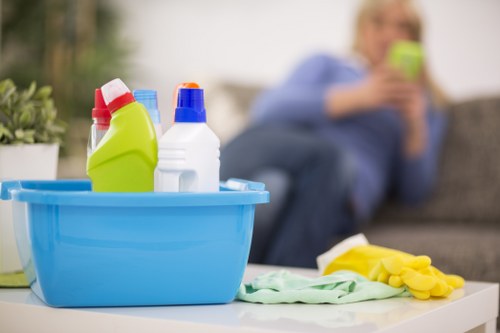
It is also useful to keep a small cleaning kit on hand. That might include clean white cloths, a soft brush, a vacuum with attachments, a mild cleaner, and gloves. Being prepared makes it easier to respond quickly when spills happen and helps protect the rug from long-term damage.
How to Keep Rugs Looking Better for Longer
Preventive care is one of the smartest parts of rug cleaning. If you reduce soil before it gets into the fibers, you will spend less time on intensive cleaning later. Small habits can make a big difference over the life of the rug.
- Use doormats at entry points to trap dirt.
- Rotate rugs occasionally so wear is more even.
- Move furniture slightly to prevent permanent dents.
- Clean spills as soon as they happen.
- Keep pets groomed to reduce shedding.
Sunlight control can also help. Too much direct sun may fade colors over time, especially in natural-dyed rugs. Using curtains, blinds, or periodic rotation helps minimize uneven fading. These simple steps support better rug cleaning results and prolong the life of the fibers.
When to Call in a Specialist
Some situations are best handled by a specialist. If a rug is antique, handmade, very large, heavily stained, or water-damaged, professional rug cleaning may be the safest path. Specialists can evaluate the rug’s material, dye stability, knot density, and overall condition before choosing a treatment plan.
Delicate fringe, unstable dyes, moth damage, and strong odors are also reasons to seek expert help. If a rug has been exposed to floodwater or long-term moisture, prompt action matters. In those cases, professional attention can help prevent mold, structural deterioration, and permanent discoloration. A skilled rug cleaning service can often restore rugs that would be difficult to manage at home.
If you want better results and less guesswork, it may be time to book your service now. Careful inspection and the right cleaning method can save a valued rug from avoidable wear. Contact us today to take the next step toward a cleaner, fresher space.
Final Thoughts on Rug Cleaning
Rug care is about more than removing stains. It is about protecting an important part of your home or business, improving cleanliness, and preserving the character of your space. With regular vacuuming, prompt spot treatment, periodic deep cleaning, and the right product choices, rug cleaning becomes a manageable and worthwhile routine.
Whether you handle maintenance yourself or rely on a professional for more demanding jobs, the goal is the same: keep the rug fresh, safe, and attractive for as long as possible. A thoughtful rug cleaning plan helps you enjoy better-looking floors, fewer odors, and a healthier indoor environment. If your rugs are due for attention, now is a great time to act. Book your service now and give your floors the care they deserve.